
Moisture mapping, not guesswork
We use moisture meters and thermal imaging where appropriate to find wet materials behind baseboards, under flooring, and inside wall cavities so the drying plan matches the real footprint.
Serving Roseville, California & surrounding areas
24/7 Emergency Response
Fast response for water cleanup, structural drying, and repair planning, with clear documentation for your property record and insurance claim.
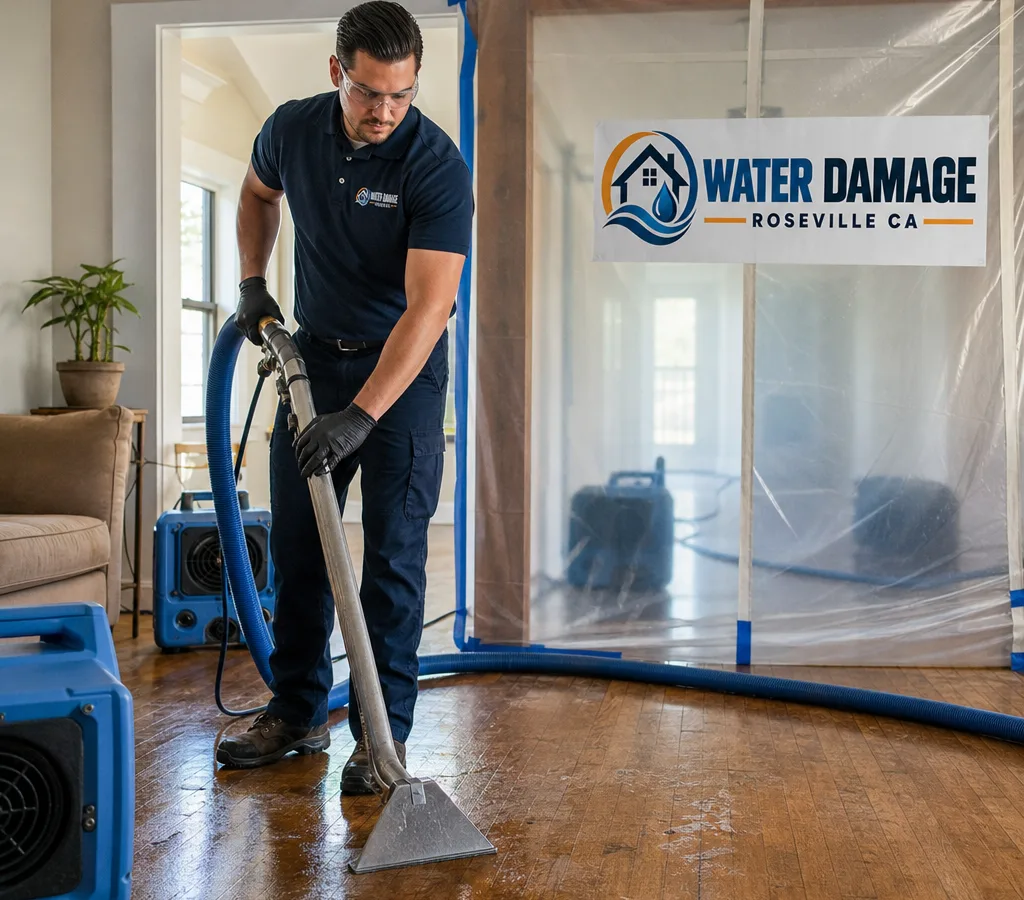
When water gets into flooring, drywall, cabinets, or framing, the first hours matter. Our team provides water damage restoration Roseville property owners can rely on for prompt extraction, controlled drying, and a documented plan to get the space back to normal.
We work on common loss types like supply line breaks, toilet overflows, water heater failures, appliance leaks, roof intrusions, and storm-driven seepage. Whether you are in a newer community near West Roseville or dealing with an older property closer to Downtown Roseville where finishes and wall assemblies can vary, the approach stays the same: stop the moisture from spreading, dry the structure intentionally, and repair only what truly needs replacement.
You will get a straightforward scope, photos and readings as needed, and a clear path forward. If you are comparing providers, start with the basics that protect your building: proper moisture mapping, the right drying equipment for the materials involved, and progress checks that confirm the structure is actually drying, not just feeling dry on the surface. You can also learn about our team and service area at Water Damage Roseville CA.
We use moisture meters and thermal imaging where appropriate to find wet materials behind baseboards, under flooring, and inside wall cavities so the drying plan matches the real footprint.
We help confirm the water source is stopped, set containment when needed, and remove affected materials that cannot be dried safely, especially after dirty-water events.
Air movers, dehumidifiers, and targeted cavity drying are selected based on material type and wetness level. Oversupplying can waste time and money; undersupplying can leave moisture behind.
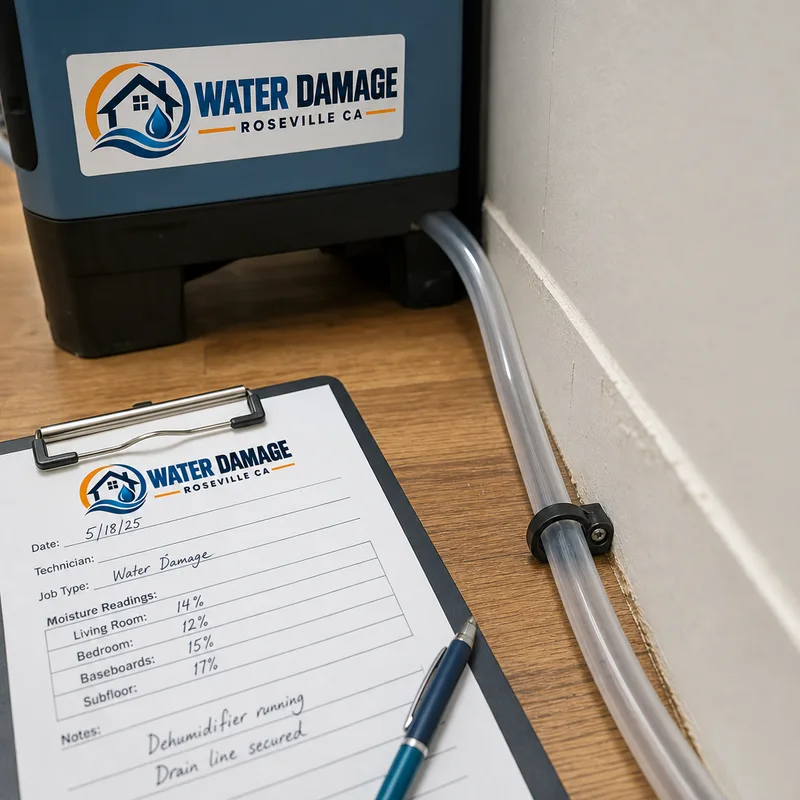
Drying logs, photos, and moisture readings support insurance conversations and provide a practical record of what happened and how it was handled.
We sequence demolition, drying, and rebuild so you do not reinstall baseboards, paint, or flooring over materials that are still drying.
A good outcome comes from controlling three things: the spread of water, the movement of moisture through materials, and the timeline for repairs.
First, we inspect and categorize the loss so the work matches the contamination level and the materials involved. Clean water from a supply line is handled differently than a backup or overflow that may carry contaminants.
Next comes water extraction and initial demolition. Removing trapped water and opening up assemblies, when required, speeds drying and reduces the chance of hidden damage. This is especially important around cabinets, toe-kicks, and layered flooring where water can sit without obvious surface signs.
Then we set drying equipment and monitor. Dehumidification and air movement are adjusted based on daily readings, because conditions change as materials dry. If walls or ceilings were affected, controlled cavity drying can be used to avoid unnecessary tear-out when appropriate.
Finally, once dry goals are met, we transition into repairs and finish restoration planning. That can include drywall, baseboards, paint, flooring transitions, and trim carpentry. If targeted containment and cleanup are required after microbial growth is found, that scope is handled with appropriate safety controls and documentation.
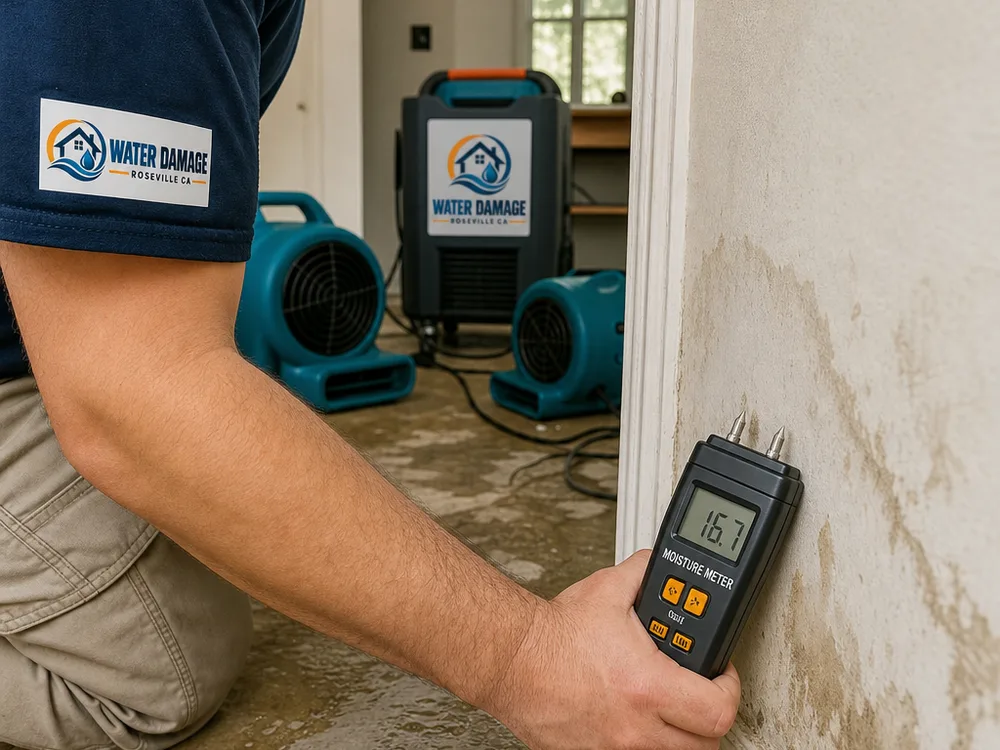
We identify affected materials, likely migration paths under flooring, through shared walls, and into adjacent rooms, plus any safety concerns. You get a clear explanation of what we found.
We outline extraction, selective removal, drying equipment, monitoring cadence, and the expected sequence for repairs. If insurance is involved, we note what will be documented.
We extract water, protect unaffected areas, and remove materials that cannot be salvaged. Contents handling is discussed case by case so you can prioritize valuables and essentials.
Drying is tracked with moisture readings. Equipment is adjusted to the space and conditions so the structure moves toward dry goals efficiently.
Once drying criteria are met, we coordinate repairs to return the area to a finished condition. If you prefer a separate contractor for rebuild, we can hand off documentation to support that transition.
Most water damage restoration in Roseville typically ranges from about $1,500 to $8,000+, depending on how far the water traveled and whether demolition and rebuild are included. A small, clean-water event limited to one area is often on the lower end, while multi-room drying, affected cabinetry, or contaminated water losses push costs higher.
Final pricing depends on the category of water, the square footage and materials impacted—including drywall, insulation, hardwood, tile, and cabinets—access to wet cavities, and how long the materials stayed wet. The exact cost is confirmed after an on-site inspection and moisture mapping.
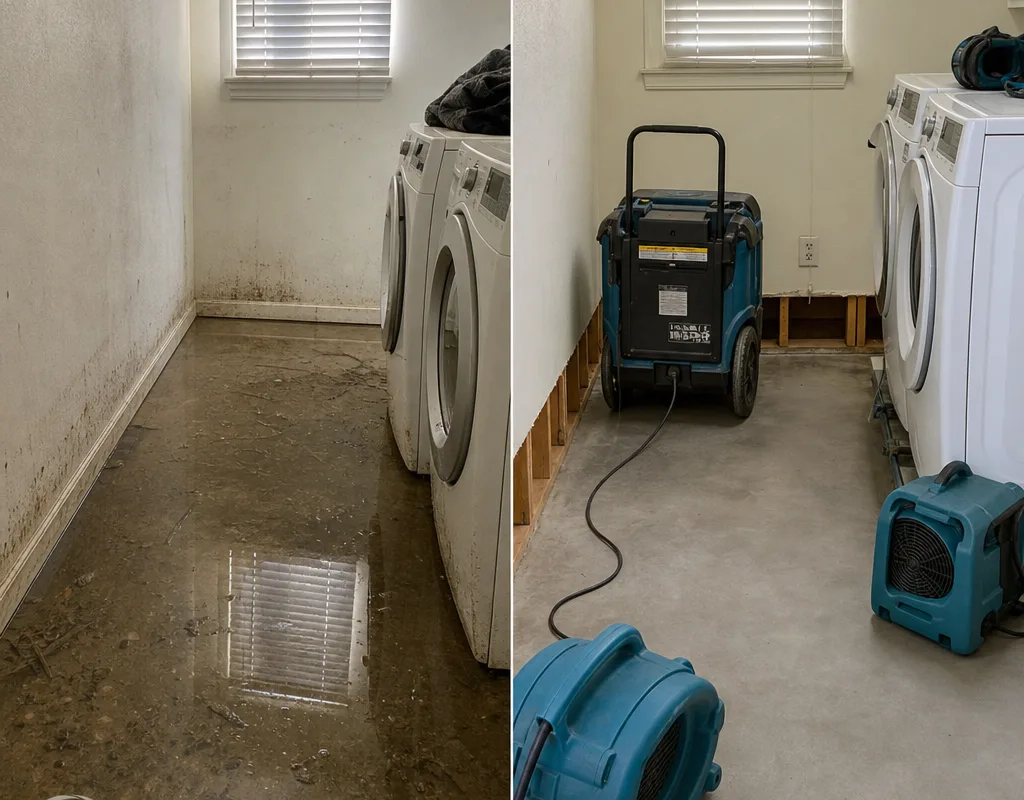
Start mitigation as soon as you can, ideally the same day, because water can wick into drywall, insulation, and subfloors quickly. Early extraction and controlled drying reduce the amount of material that needs removal and help prevent secondary issues like odor and microbial growth. If the water source is active, shutting it off is the first step before any cleanup begins.
For many clean-water losses, structural drying is commonly 3 to 5 days, but it can be longer when insulation is saturated, hardwood is affected, or water migrated into multiple rooms. The real indicator is moisture readings, not how the surface feels. We monitor progress and adjust equipment based on the daily drying trend.
Sometimes, but it depends on the material, how long it was wet, and the type of water involved. Non-porous materials may be salvageable after proper cleaning and drying, while swollen MDF baseboards, delaminated cabinetry, and wet insulation often need removal. We explain what is likely to be saved and what should be replaced, with the reasoning documented.
Clean water typically comes from a supply line or rain intrusion, while contaminated water may include toilet overflows, backups, or water that sat long enough to pick up bacteria and debris. The category affects what can be cleaned versus discarded, what protective equipment and containment are appropriate, and how the area must be disinfected. When contamination is suspected, we treat it conservatively to protect occupants.
Yes, we can provide the documentation insurers commonly request, including photos, drying logs, and a written scope. Coverage decisions vary by policy and cause of loss, but clear notes and readings help the claim review. You stay in control of decisions about repairs and material selections.
Often you can stay, especially when the affected area is isolated and the water category is clean. If containment is required, if odors are strong, or if large portions of flooring or drywall are removed, temporary relocation can be more comfortable and sometimes safer. We will tell you what to expect for noise, airflow, access restrictions, and drying equipment placement.
Tell us what happened and what areas were affected. We will schedule an inspection, map the moisture, and lay out the steps for cleanup, drying, and repairs so you can make decisions with real information.